
What is Proactive Health?
Health is something you build before anything goes wrong. Here's what that means, how to live it, and where Nexis fits.

For most people, healthcare starts with a problem. Something hurts, something feels off, or a number comes back flagged at an annual visit. Then the system goes to work.
That model is good at responding. It is not built to help you understand where you stand while you still feel fine, and that is where most of the useful time is.
Proactive health is the other half of the picture.
What proactive health means
Proactive health is the practice of understanding your body early, acting on what you learn, and following how things change over time.
It rests on three ideas:
- Know where you stand. Not a guess, and not a single number out of context, but a real baseline you can return to.
- Act on what matters most. A handful of clear priorities, not forty things to fix at once.
- Track the direction. Whether a marker is moving toward or away from where you want it often tells you more than whether it sits inside a reference range today.
It is not about fear, perfection or chasing the latest trend. It is about replacing "I'll deal with it when something happens" with "I know what's going on, and I know what I'm doing about it."
Why it matters
Many of the changes that shape long-term health happen quietly. Blood sugar, cholesterol, inflammation, hormones and nutrient levels can shift gradually for years before anything feels different.
A reactive approach usually meets those changes late. A proactive one gives you the chance to notice them earlier, when everyday choices have the most room to make a difference, and when a conversation with a licensed provider can happen on your timeline instead of in response to a problem.
How to live it
Proactive health is less about a single test or product and more about a few habits that build on each other.
1. Establish your baseline

You can't follow change without a starting point. Comprehensive bloodwork gives you a broad view of what is happening across your metabolic, cardiovascular, hormonal and nutritional health, a picture you can't get from how you feel alone.
2. Watch the trend, not just the snapshot

One result is a moment in time. Retesting shows direction. The same number means something different if it's improving than if it's slowly drifting the wrong way.
3. Keep your priorities short
Information is only useful if it leads somewhere. Pick no more than two or three things to focus on at a time. Progress on a few beats paralysis on many.
4. Build the foundations every day

Sleep, movement, nutrition and stress are where most of the work happens. They are unglamorous and they matter more than almost anything else. Testing tells you where to aim; daily habits are how you get there.
5. Bring in a licensed provider when it's warranted

Some results call for more than lifestyle changes. Proactive health means knowing when to involve a licensed provider who can evaluate your situation and decide whether further testing or treatment is appropriate, and doing it early rather than late.
How Nexis helps
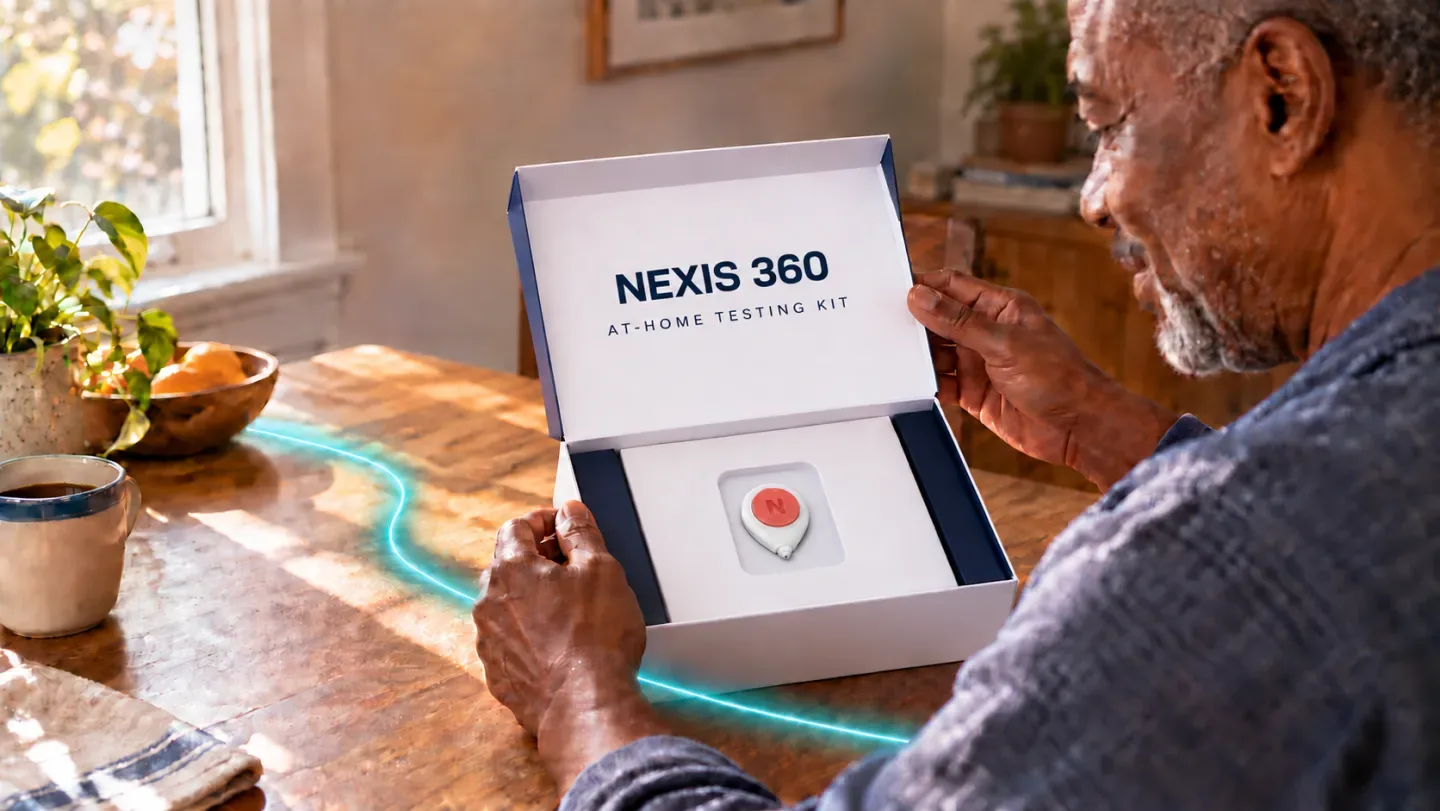
Nexis exists because proactive health shouldn't require stitching together a lab in one place, results in another, a provider somewhere else and a cabinet of supplements with no connection to any of it.
We're building it as one connected experience:
- Know. Nexis bloodwork panels give you a comprehensive baseline, drawn at a partner lab near you, with at-home upper-arm collection rolling out state by state. Your results come back in plain language: what each marker measures, what yours suggests, and how it's moving over time.
- Act. When your results point to something worth acting on, Nexis connects you with licensed providers through telehealth. They review your history and results and decide whether a program is appropriate for you. Nexis itself doesn't diagnose, treat or prescribe.
- Support. Nexis Essentials are foundational products, each with full Supplement Facts, for the daily part of a proactive routine. They are not a treatment and not a substitute for testing or care.
- Track. Everything lives in one account, so each new result builds on the last, and your next step is informed by your history rather than starting from zero.

That is what we mean when we say Nexis is leading the charge for proactive health: not another app, test or supplement on its own, but the connection between them, built so that understanding your health leads somewhere.
What proactive health is not

It is worth being clear about the edges:
- It is not a replacement for your doctor or for emergency care.
- It is not self-diagnosis. Results inform a conversation; licensed providers make clinical decisions.
- It is not about buying everything. Plenty of proactive health costs nothing: sleep, movement, food and paying attention.
Where to start
You don't have to overhaul your life to begin. Start by understanding where you stand.
If you're not sure which first step fits you, take the free assessment. It takes a few minutes and points you toward a sensible place to begin, whether that's bloodwork, a conversation with a licensed provider, or simply building the foundations.
Proactive health is a practice, not a finish line. The best time to start is while you still feel fine.
The Proactive Series is educational and is not medical advice. Nexis does not diagnose, treat or prescribe; clinical decisions are made by licensed providers. If you have chest pain, trouble breathing, signs of stroke, thoughts of self-harm or other concerning symptoms, seek urgent or emergency care right away.